Plastering Services: Accomplish a Seamless Coating for Your Home's Interior
Plastering services play a significant role in boosting the aesthetic appeal of interiors. By converting uneven walls into polished finishes, these services not only raise visual quality but also tackle structural problems. Various techniques exist, each fitting for different demands and likes. Understanding these options can be important for homeowners. What factors should one weigh when choosing the right plastering process? The answer may be surprising.
The Outstanding Positives of Accomplished Plastering
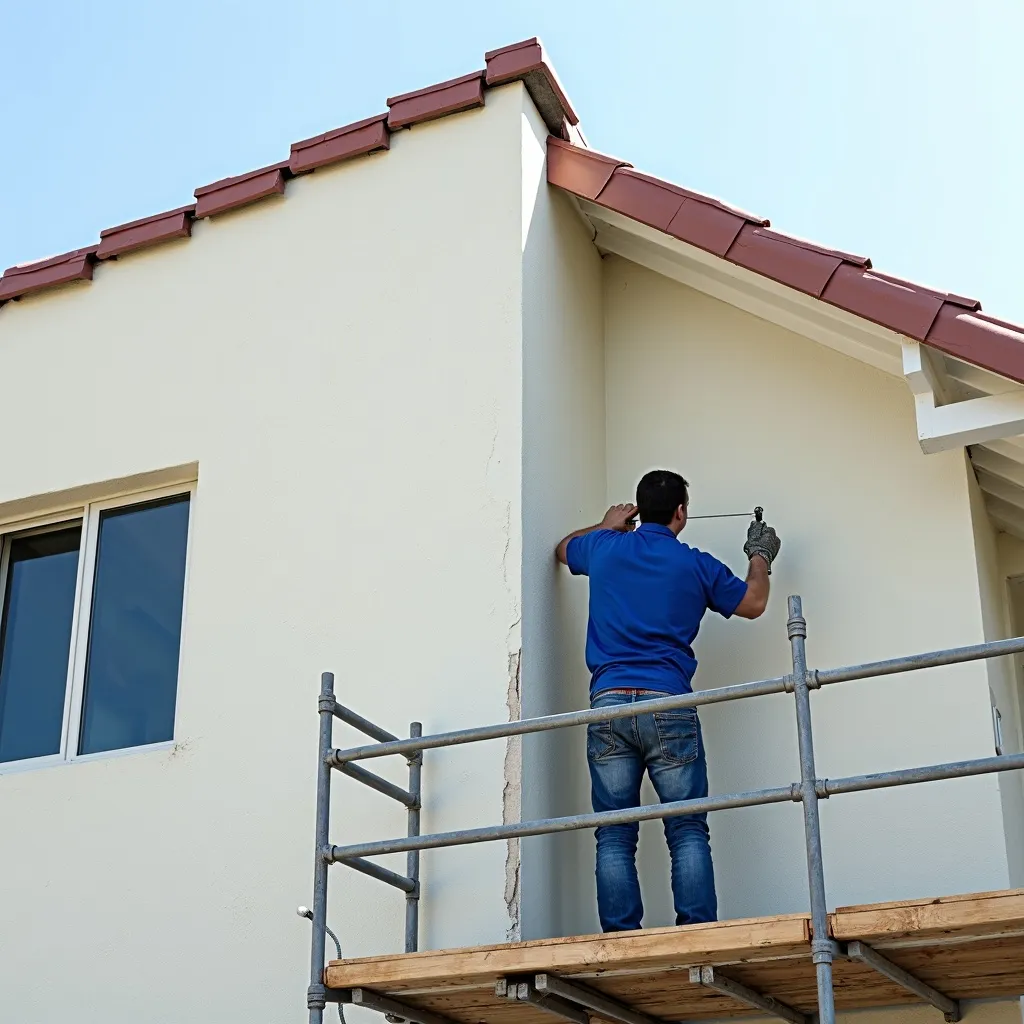
Skilled plaster professionals offer numerous benefits that enhance the quality of indoor spaces. This specialized expertise strengthens the aesthetic appeal of surfaces, offering a uniform and smooth surface that is impressive in appearance. Furthermore, professional plaster application supports improved longevity, protecting surfaces from wear and deterioration as time progresses. The application of superior plaster can also enhance better insulation, controlling temperature and potentially minimizing power bills.
Additionally, professional plasterers demonstrate the proficiency and knowledge essential to detect and correct core problems, such as moisture or structural problems, before they intensify. This forward-thinking method not only guarantees a flawless finish but also extends the lifespan of the work. Furthermore, the use of modern products and approaches promises a superior end result, making spaces more inviting and comfortable. Ultimately, investing in professional plastering services lays the foundation for beautifully finished interiors that withstand the test of time.
Conventional Plastering Approaches and Their Functions
Various plastering techniques serve different visual and operational needs in interior spaces. One typical technique is traditional plastering, which involves applying a base coat followed by a finish coat, creating a smooth surface ideal for painting. Another method is skimming, where a thin layer of plaster is spread over existing walls to restore their appearance without extensive remedial work.
Textured plaster finishing adds visual interest and can conceal blemishes; approaches including knockdown or stucco texture establish distinctive textures fitting for assorted design styles. Venetian plaster, a high-end selection, delivers a luxurious, polished appearance through multiple layers and distinctive installation methods, frequently enriching the character of refined interiors.
To summarize, plastering work is commonly employed for new constructions, presenting an practical way to complete walls and ceilings. Each approach serves different purposes, enabling homeowners and designers to achieve desired visual aesthetics while ensuring durability.
How to Choose the Best Plastering Technique for Your Space
Finding the optimal plastering technique requires a thorough evaluation of the wall's condition and the particular purpose of the room. Recognizing these factors helps identifying the most suitable materials to use. By considering both the environment and functional requirements, one can make an informed choice that improves the room.
Evaluate Your Wall Condition
What is the best way to determine the most effective plastering technique for a given area? Assessing the wall condition is crucial in this decision-making process. The first step includes looking for cracks, dampness, or uneven surfaces, which can affect the plastering method selected. For example, walls with major damage may need repairs before plastering, whereas smoother surfaces may benefit from a simple skim coat. Furthermore, identifying the type of wall material, like drywall or masonry, is key in picking the appropriate plaster. A detailed evaluation guarantees the technique chosen not only enhances aesthetics but also offers lasting durability. In the end, comprehending the wall's condition assists in making informed decisions that achieve a flawless finish.
Consider Room Functionality
When reviewing the superior plaster method for a space, understanding the room's functionality is essential. Different areas of a home address distinct purposes, which can determine the plastering approach. For instance, high-traffic rooms like hallways may benefit from more robust finishes that resist wear, while bedrooms might stress aesthetics and smooth textures for added comfort.
Additionally, damp spaces such as bathrooms require specialized techniques to avoid mold and damage. In contrast, living rooms could emphasize decorative plaster finishes to improve visual appeal. By matching the plastering technique with the specific use of each room, one can achieve not only a flawless finish but also guarantee longevity and functionality suited for the environment's needs.
Select Appropriate Resources
What products are best for plaster application in a specific space? The selection of plastering materials greatly impacts the finish and longevity of the surface. Traditional lime plaster is excellent for older buildings, offering flexibility and breathability, which prevents moisture accumulation. Gypsum plaster, known for its quick setting time, is appropriate for modern interiors and delivers a smooth finish. For humid areas, such as bathrooms, moisture-resistant plaster is recommended to avoid mold development. Additionally, considering the underlying surface is crucial; plaster should adhere well to materials like brick or concrete. Ultimately, choosing the suitable plaster type enhances both aesthetics and functionality, ensuring the interior spaces stay attractive and durable over time.
Key Indicators That You Should Get Professional Plastering
When assessing the requirement for expert plaster work, several key indicators can signal hidden issues. Fractures and openings, uneven surface areas, and signs of moisture deterioration are vital elements to consider. Tackling these examine guide problems quickly can avoid additional deterioration and ensure a smooth, aesthetically appealing inside.
Cracks And Holes Present
Cracks and holes significantly affect both the appearance and durability of indoor spaces. These flaws not only damage the overall look but can also suggest internal problems within the walls. Minor cracks may appear trivial, but they can grow over time, causing more damage. Holes, whether made by nails or other things, create weak spots that harm insulation and energy efficiency. Homeowners should not ignore these indicators; responding to them quickly with professional plastering guarantees a smooth finish and stops more expensive repairs later. Ignoring cracks and holes could lead to raised maintenance costs and an unpleasant environment, making prompt action crucial for preserving the beauty and longevity of indoor spaces.
Irregular Wall Finishes
Uneven wall surfaces can greatly diminish the visual appeal of a home, signaling the requirement for expert plastering. Homeowners often observe differences in wall texture, with certain areas appearing rough or lumpy. These defects can be caused by incorrect setup, settling of the building, or wear over time. An uneven surface not only affects the appearance but can also obstruct the application of paint or wallpaper, leading to an unsatisfactory finish. Additionally, light can create shadows on uneven walls, further highlighting flaws. Engaging expert plasterers ensures that these surfaces are evened, offering a consistent base for further decoration. A flawless wall significantly enhances a home’s ambiance and value, making timely intervention crucial.
Water Damage Marks
Water damage manifests in varied forms, often pointing to the critical need for professional plastering services. Homeowners must be aware for specific indicators. Discolorations or color changes on walls and ceilings are key signs, often showing as yellow or brown patches. Peeling or cracking paint also suggests hidden moisture issues, as does mold or mildew presence, which can negatively affect indoor air quality. Moreover, if walls feel damp or emit a stale scent, it could mean hidden water damage. Cracks or flaking plaster can further uncover structural problems caused by moisture seepage. Quick action with expert plastering services is important to maintain a safe and visually appealing living environment.
How Much Will Stucco Application Expense You?
What investment should one expect for plastering services in interior spaces? The cost of plastering changes significantly depending on multiple factors, such as the area dimensions, the material of compound applied, and the project difficulty. On basis, homeowners can anticipate spending between $1.50 to $3.50 per square foot for basic plaster application. For highly specialized surfaces, such as Venetian plaster, costs may increase to $6 or more per square foot.
Supplementary expenses may result from preparatory work, such as restoring existing walls or ceilings. Labor costs also represent a key component, with skilled plasterers requesting hourly rates that can stretch from $25 to $75. Ultimately, acquiring multiple quotes from licensed professionals can present a clearer picture of the expected investment, ensuring homeowners take educated decisions while accounting for their plastering projects.
Important Maintenance Tips for Your Newly Plastered Interiors
Following an investment in plastering services for interiors, maintaining the newly finished surfaces is important for longevity and appearance. Regular dusting with a soft, dry cloth helps prevent dirt accumulation. It's advisable to avoid abrasive cleaners that can damage the surface. Instead, mild soap mixed with water can be used for occasional cleaning.
Moisture control is important; too much humidity can create mold or damage. Applying a dehumidifier in damp areas can minimize this threat. To safeguard against marks and dents, think about using protective cushions under substantial furniture.
Monitor the plaster on an ongoing basis for cracks or chips, tackling any issues immediately to prevent further damage. To conclude, implementing a proper sealant can strengthen durability and ease of cleaning, verifying the plaster maintains its aesthetic appeal over time. Observing these maintenance tips will help sustain the beauty and integrity of newly plastered interiors.
Common Questions Posed Often
How much time Does Plastering Typically Take to Complete?
Plastering typically requires one to three days to complete, contingent upon the size of the area and the difficulty of the project. Setting period can extend the entire undertaking, requiring more time for superior results.
Is it possible to plaster Over current Wallpaper or Paint?
Covering existing wallpaper or paint with plaster is generally not recommended. The surfaces may prevent proper adhesion, contributing to cracks or peeling. For greatest success, removing the wallpaper or paint before plastering is advisable.
Which Varieties of Plaster Materials Can You Obtain?
Various plaster materials are offered, such as gypsum plaster, lime plaster, cement plaster, and acrylic plaster. Each category provides special properties, ideal for multiple purposes, environments, and desired results, addressing varied building and aesthetic
Is Plaster application Suitable for External Applications?
Plastering can be appropriate for external uses, notably when employing professional-grade outdoor plasters that combat moisture and temperature fluctuations. These products enhance durability while providing a protective and visually appealing surface for different outdoor materials.
What's the Best Way to Arrange My Room for Plaster Finishing?
To get a room ready for plastering, one should remove furniture, lay down floors with drop cloths, clean walls, repair any damage, and make sure proper ventilation. Adequate preparation promises a more even application and better final results.
Comments on “Discover Tampa Plastering Services for reliable residential and commercial plastering services”